
Cosmetic or Catastrophic? Why Termite Inspections Matter in Austin and Central Texas
Purchasing a home in Central Texas is one of the biggest investments most people will ever make. In competitive markets like Austin and San Antonio, buyers often move quickly during the transaction process. But moving quickly should never mean skipping the most important step in protecting that investment: hiring the right home inspector.
Recently we encountered a situation that highlights why qualifications and experience matter when it comes to home inspections in Central Texas.
A homeowner purchased a property after a previous inspector described damage in the wood flooring as “cosmetic.” After the purchase, remodeling began. When the drywall was opened, the real story was revealed — extensive termite damage affecting major structural framing.
Situations like this are unfortunately more common than many buyers realize.
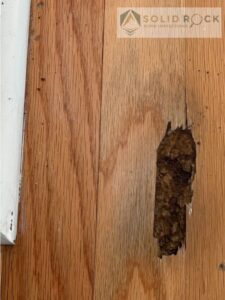
What Initially Looked Like Cosmetic Damage
The first warning signs appeared in the wood flooring. The original inspection report described the issue as cosmetic wear or deterioration.
At first glance, this type of damage may appear to be simple wear and tear. However, in Central Texas, experienced inspectors know that wood damage combined with soil or mud-like debris can be an indicator of subterranean termite activity.
This is where local experience and proper inspection training become extremely important.
What We Discovered After the Walls Were Opened
Once remodeling began and sections of drywall were removed, the true condition of the home quickly became visible. What had originally been described as minor cosmetic damage in the flooring revealed a much more serious issue hidden behind the walls.
As inspectors, situations like this are a reminder that some of the most significant problems in a home are often concealed within the structure itself. Termite activity rarely remains on the surface. In many cases, termites consume wood from the inside out, leaving only a thin outer layer intact.
When the wall cavity was opened, extensive termite damage to the structural framing was immediately apparent. The wood members that were supposed to support portions of the wall had been significantly weakened by years of termite activity.
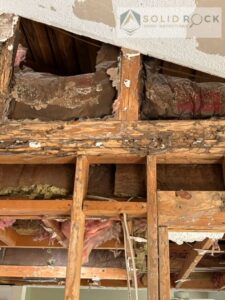
The framing showed clear signs of subterranean termite tunneling. Mud tubes and soil deposits were visible inside the damaged wood, a common indicator of long-term termite presence in Central Texas homes.
This type of damage often develops slowly over time. Homeowners may not notice any obvious symptoms until renovations begin or structural components become exposed.
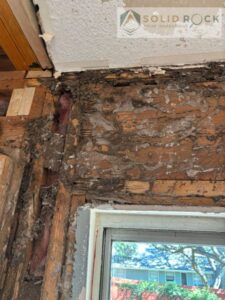
Once the damaged areas were fully examined, it became clear that the issue extended far beyond the flooring.
What had originally been labeled cosmetic flooring damage turned out to be a much more serious structural concern.
The inspection revealed:
• Extensive termite tunneling throughout structural wood
• Severely compromised framing members
• Damage inside major load-bearing walls
• Evidence of long-term wood destroying insect activity
In homes throughout Austin and San Antonio, termite damage can remain hidden for years behind drywall, insulation, and flooring materials. Without a careful inspection and an understanding of regional termite risks, these issues can easily be overlooked.
As additional sections of the wall were exposed, it became clear that the damage was not isolated to one small area. Multiple framing components had been affected, requiring professional repair and structural reinforcement.
Unfortunately, repair costs for this level of termite damage are rarely small. Structural repairs often involve replacing framing members, removing damaged materials, and treating the home to prevent future termite activity.
In this particular case, repair estimates quickly climbed into the tens of thousands of dollars.
This situation serves as an important reminder for both homebuyers and real estate professionals.
What initially appeared to be a cosmetic flooring issue was actually the first visible symptom of a much larger structural problem hidden within the walls.
This was not cosmetic. This was structural.
The Critical Issue: No Licensed Termite Inspection
The original inspector who performed the home inspection was not licensed. In Texas, termite inspections require licensing through the Texas Department of Agriculture. Without proper certification, an inspector is not qualified to officially evaluate termite activity.
This distinction is especially important in Central Texas where termite activity is extremely common.
Why Termite Inspections Are Critical in Austin Homes
Austin and the surrounding Central Texas region provide ideal conditions for subterranean termites.
Homes in this area often experience termite pressure because of:
- Slab-on-grade foundations
- Expansive clay soils
- Warm temperatures throughout much of the year
- Moisture cycles that attract termite colonies
Subterranean termites travel through mud tubes hidden behind walls and inside structural wood. Damage may exist for years before becoming visible.
This is why termite inspections are one of the most important parts of evaluating a home in Austin or San Antonio.
Common Termite Warning Signs Found During Austin Home Inspections
During inspections throughout Austin and Central Texas, experienced inspectors look for subtle warning signs that may indicate termite activity.
Some of the most common indicators include:
- Mud tubes along foundations or framing
- Wood damage filled with soil
- Hollow sounding wood
- Discarded wings from termite swarms
- Soft or deteriorated flooring
These indicators may appear minor but can signal a much larger structural issue behind walls or beneath flooring.
The Cost of Termite Damage Repairs
When termite damage reaches structural components of a home, repair costs increase significantly.
Common termite repair work in Central Texas homes may involve:
- Structural wall framing replacement
- Subfloor replacement
- Floor joist repairs
- Drywall removal and replacement
- Pest treatment and prevention systems
In severe cases, repairs can easily exceed $20,000 to $40,000 depending on the extent of structural involvement.
Advice for Austin Homebuyers
If you are purchasing a home in Austin or San Antonio, make sure you are hiring a qualified professional.
Before scheduling an inspection, ask these questions:
- Are you licensed by the Texas Real Estate Commission?
- Do you have training identifying wood destroying insects?
- How familiar are you with homes in Central Texas?
- How detailed are your inspection reports?
A thorough inspection can prevent major financial surprises after closing.
Advice for Real Estate Agents
Experienced real estate professionals understand the importance of recommending inspectors who are familiar with local conditions.
Termite activity is common in Central Texas, and identifying potential issues before closing helps protect both buyers and agents from unexpected complications.
A qualified inspector helps ensure smoother transactions and better outcomes for everyone involved.
Solid Rock Home Inspections – Serving Austin and San Antonio
At Solid Rock Home Inspections, we proudly serve homebuyers and real estate professionals throughout Austin, San Antonio, and surrounding Central Texas communities.
Our inspections focus on identifying structural concerns, safety issues, and conditions that may affect the long-term health of the home.
You can learn more about our inspection services here:
View Our Home Inspection Services
Explore More Home Inspection Insights
We regularly publish articles designed to help buyers and real estate professionals better understand the inspection process and common issues found in Central Texas homes.
You can explore more educational articles here:
Visit Our Home Inspection Blog
Everyone Deserves a Healthy Home
A home inspection is one of the most important steps in the home buying process. Choosing an experienced inspector helps ensure that potential problems are identified before closing.
At Solid Rock Home Inspections, we believe that everyone deserves a healthy home.
If you are purchasing a home in Austin, San Antonio, or anywhere in Central Texas, schedule your inspection with a professional who understands the unique risks of homes in our region.