
How Central Texas Homeowners Can Prepare for Freezing Temperatures
Most houses in this region were not built for extended cold, and when temperatures drop quickly, plumbing systems, heating equipment, and exterior components can fail fast. After major freezes, I routinely find burst pipes, water damage inside walls, and issues that homeowners never knew existed until it was too late. This article focuses on central Texas freeze preparation based on real inspection experience in the Austin and San Antonio areas.
This guide is based on real inspection findings, not theory. It’s written to help homeowners understand what actually matters when freezing temperatures are expected and how a few simple steps can protect both the home and the people living in it.
Why Central Texas Freeze Preparation Matters
Freezing weather is not common in Central Texas, but when it does occur, homes here are especially vulnerable. Plumbing lines are often located in exterior walls or attic spaces, and insulation levels may be minimal compared to colder climates. When temperatures drop rapidly, those systems are at risk. This guide is designed to help homeowners with central texas freeze preparation using real-world inspection experience.
Protecting Your Plumbing Before Temperatures Drop
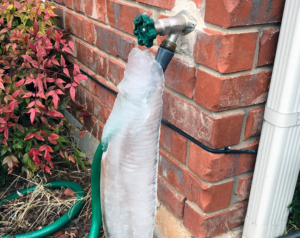
From an inspection standpoint, plumbing is always the first area of concern. Taking time to protect exposed pipes and exterior faucets before a freeze can prevent extensive water damage. Allowing faucets to drip overnight and opening cabinets under sinks helps reduce pressure and keeps warm air circulating where it’s needed most.
It’s also important to know where your main water shut-off valve is located and how to use it. If a pipe breaks, shutting off the water quickly can significantly reduce damage.
Making Sure Your Heating System Is Ready
Heating systems tend to run longer and harder during sudden cold snaps. A system that hasn’t been maintained can struggle when demand is highest. Something as simple as a dirty air filter can reduce efficiency and place unnecessary strain on the equipment.
Set your thermostat to a steady temperature and avoid drastic changes overnight. Also, never use ovens, grills, or fuel-powered heaters indoors, as they can create serious safety hazards.
Preparing the Exterior of Your Home
The exterior of the home is often overlooked. Freezing moisture can affect roofs, gutters, siding, and landscaping. Outdoor furniture and decorations should be secured, and gutters should be clear so water can drain properly once temperatures rise.
In this region, tree limbs weakened by previous storms can break under the added weight of ice and cause damage. If time allows, addressing weakened branches can help reduce that risk.
Planning for Power Outages
Power outages are always a possibility during winter weather. Having flashlights, charged devices, and extra blankets available makes a big difference.
If a generator is used, it should always be operated outdoors and away from the home. Generators should never be run inside a garage, even with the door open.
Keeping Your Family and Pets Safe
Safety inside the home matters just as much as protecting the property. Space heaters should be used with caution and kept clear of anything flammable. Pets should be brought indoors, and elderly family members or neighbors should be checked on during extended cold periods.
What to Check After the Freeze Has Passed
Once temperatures rise, walk through your home and look for signs of damage. Small leaks, water stains on ceilings or walls, or damp odors can be early indicators of plumbing issues. A quick exterior walk-around can also help identify damage to gutters, siding, and roof areas. When issues are caught early, repairs are often simpler and less expensive. Homeowners can also review cold weather safety recommendations provided by the Texas Division of Emergency Management. Link to: https://tdem.texas.gov/
Final Thoughts From a Central Texas Home Inspector
Freezing weather may be uncommon in Austin and San Antonio, but the homes in this region are especially vulnerable when it happens. A small amount of preparation can make a significant difference in protecting your home and avoiding unnecessary repairs.
If you prefer a simple printable version, download our free freeze-prep checklist below.
Download link: Download the Freeze-Prep Checklist (PDF)
If you’re buying, selling, or maintaining a home in Central Texas, a professional inspection can help identify areas that may be vulnerable before cold weather exposes them.
Solid Rock Home Inspections is licensed, insured, and TREC-certified, providing home inspections, mold inspections, and sewer scope services throughout the Austin and San Antonio areas.
Ready to schedule? Contact us today to book an inspection.